Born on a Momentous Night
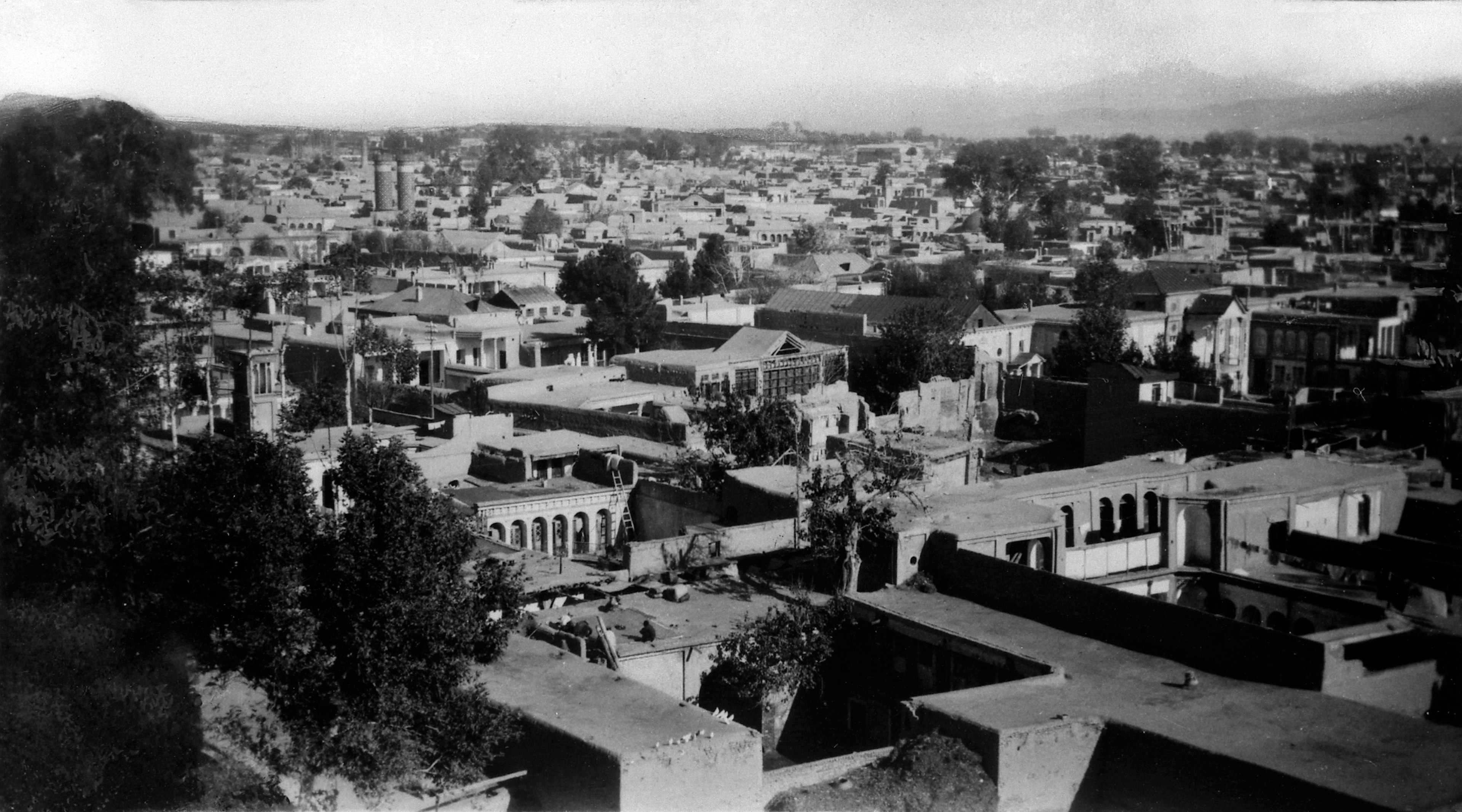
On the evening of 22 May 1844, a momentous event in human history took place: in the city of Shiraz, the Báb declared the beginning of a new religious cycle for the world. At midnight that same night, in Tehran, a baby was born to Baháʼuʼlláh. Named ʻAbbás after His grandfather, He would in time choose for Himself the name ʻAbduʼl-Bahá — “the Servant of Bahá”.
Through a life of service to humanity, He became known as the living embodiment and perfect exemplar of Baháʼuʼlláh’s teachings — the one to Whom all believers could look to see those teachings expressed in a human life.
A Childhood of Exile
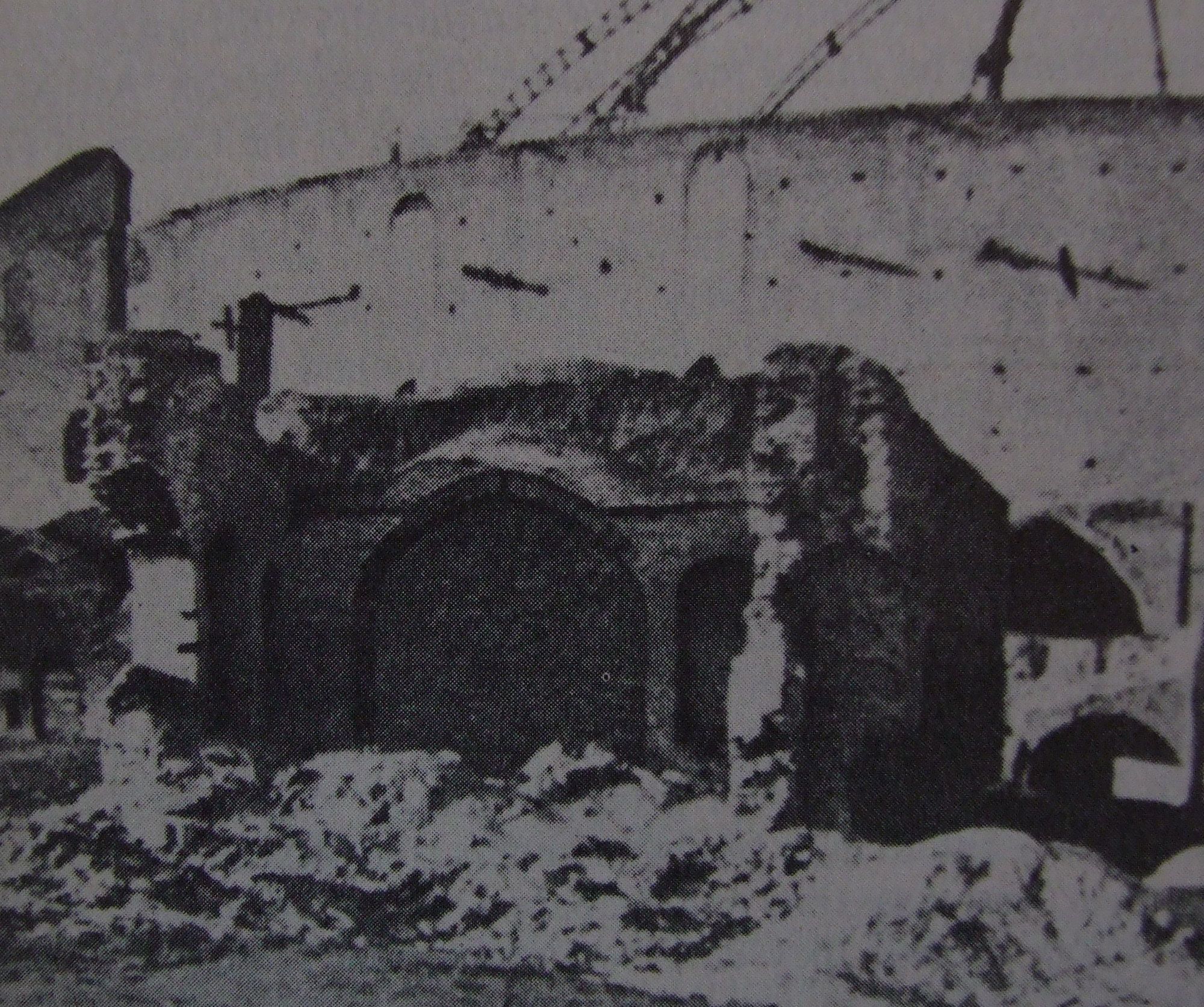
ʻAbduʼl-Bahá enjoyed a privileged childhood until persecution broke out against the followers of the Báb — of whom Baháʼuʼlláh was the most prominent. Seeing His Father in the dungeon of the Síyáh-Chál — hair and beard unkempt, neck swollen from the heavy steel collar, body bent by chains — left an indelible mark on the mind of the eight-year-old boy.
In December 1852 Baháʼuʼlláh was released and banished forever from Iran. On the bitter winter journey to Baghdad, the young boy suffered frostbite and grieved the separation from His baby brother, Mihdí, too frail to travel. Soon after their arrival, another painful separation followed when Baháʼuʼlláh withdrew to the mountains of Kurdistan for two years — during which ʻAbduʼl-Bahá occupied Himself reading and meditating upon the Writings of the Báb.
Service to Baháʼuʼlláh
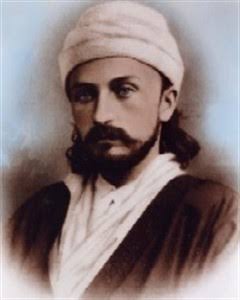
When Baháʼuʼlláh returned from Kurdistan, the twelve-year-old boy was overcome with joy. Despite His tender age, ʻAbduʼl-Bahá had already intuitively recognized His Father’s station, and in the years that followed He became Baháʼuʼlláh’s representative and secretary.
He shielded His Father from needless intrusions and from the malice of those who wished Him ill, conversed with the wise and learned on the themes that occupied their minds, and — still in His teens — wrote a commentary demonstrating a mastery of knowledge and language that astonished scholars. Through every exile He bore the burden of negotiations with the civil authorities.
In ʻAkká He continued to protect His Father, cared for the sick and the poor of the city, and stood His ground on matters of justice before callous jailers and hostile officials. His generosity of spirit and selfless service endeared Him to all who knew Him — and in time won over even the hardest-hearted of enemies.
The Centre of the Covenant
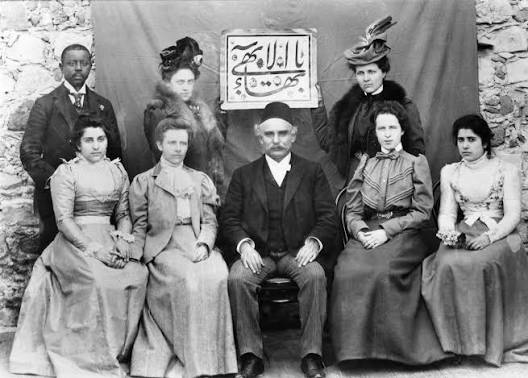
In His Most Holy Book, Baháʼuʼlláh established a Covenant with His followers, commanding them to turn after His passing to ʻAbduʼl-Bahá — “Him Whom God hath purposed, Who hath branched from this Ancient Root.” His authority as the “Centre of the Covenant” was confirmed again in Baháʼuʼlláh’s Will and Testament.
From 1892 onward, ʻAbduʼl-Bahá oversaw the spread of His Father’s Faith to new territories, including Europe and North America. He received a steady stream of pilgrims from East and West, maintained a vast correspondence with believers and enquirers around the world, and lived an exemplary life of service to the people of ʻAkká.
His younger half-brother, Mírzá Muḥammad-ʻAlí, envious of His influence, tried to undermine His authority and stir the suspicion of the authorities — attacks that caused deep pain but failed to break the unity of the community or halt the spread of the Faith.
Journeys to the West
In 1908 the Young Turk Revolution freed all the Ottoman Empire’s religious and political prisoners — after half a century of imprisonment and exile, ʻAbduʼl-Bahá was free. In March 1909 He placed the Báb’s remains in the Shrine He had built on Mount Carmel, then moved His household to Haifa.
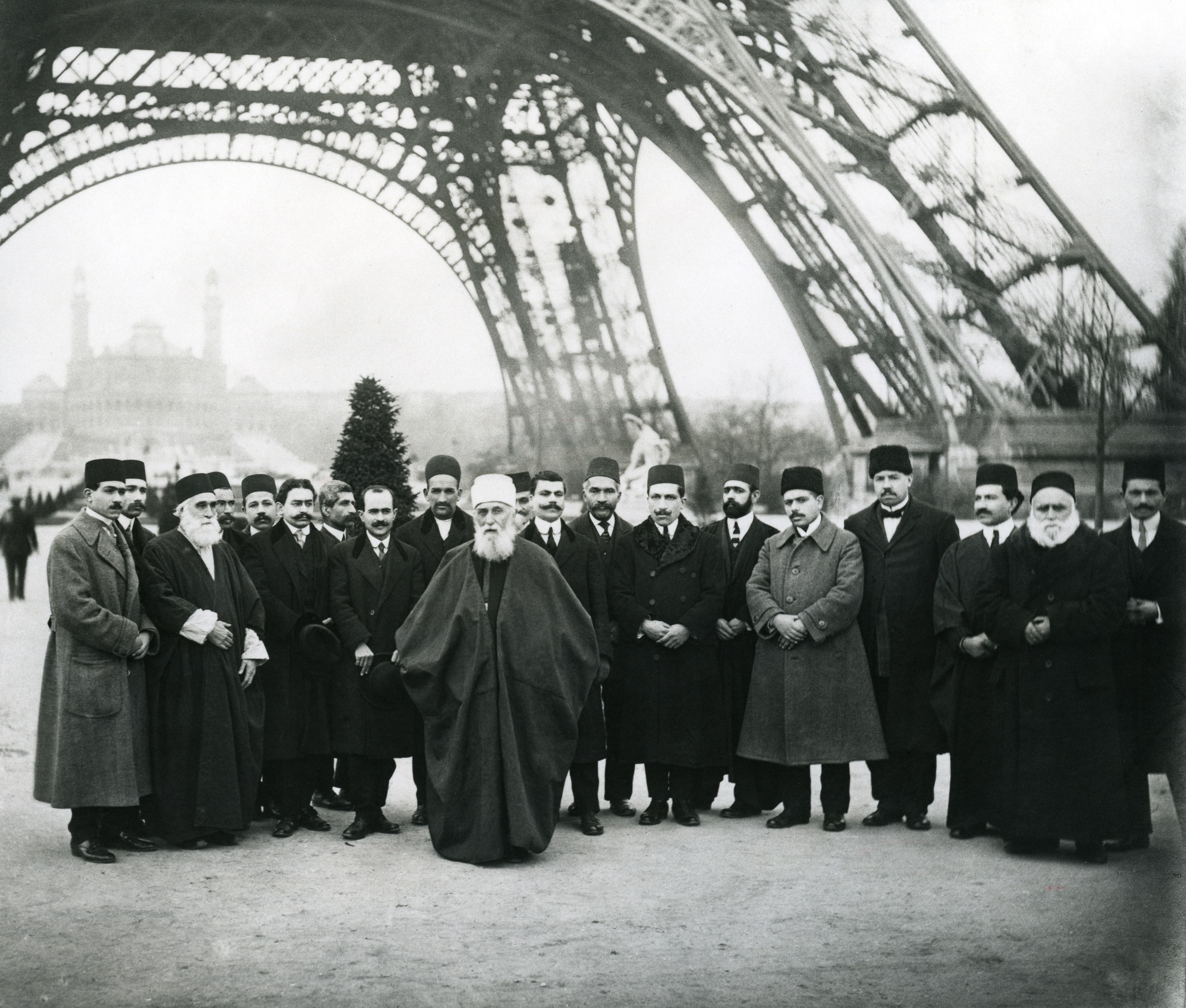
In 1910 He spent a year in Egypt, meeting diplomats, intellectuals, religious leaders and journalists. In 1911 He sailed for Europe: on 10 September, from the pulpit of the City Temple in London, He gave the first public address of His life. Weeks in London and Paris set a pattern of public talks, press interviews and private meetings that He followed throughout His travels.
In 1912 He spent nine months crossing the United States and Canada from coast to coast, addressing every kind of audience on peace, women’s rights, racial equality, social reform and moral development. He proclaimed that the long-promised age of humanity’s unification had come — and warned of a coming world conflict. In 1913 He visited Germany, Hungary and Austria before returning to the Holy Land.
The Great War
When the First World War broke out, ʻAbduʼl-Bahá’s communication with the Baháʼís abroad was almost completely cut off. He spent the war years ministering to the material and spiritual needs of the people around Him — personally organizing extensive agricultural operations whose stored harvests averted famine for the poor of all religions in Haifa and ʻAkká.
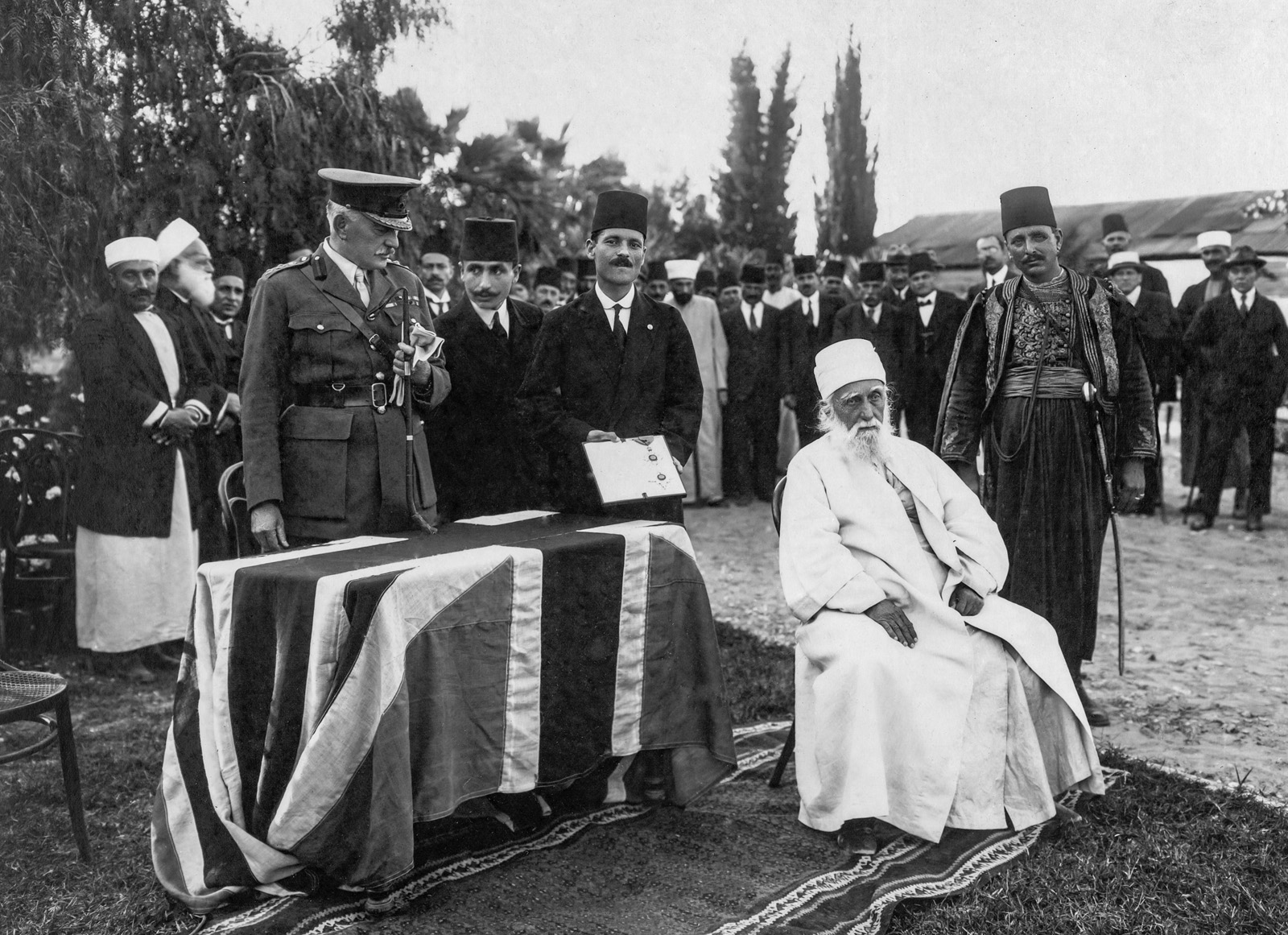
In April 1920, His service to the people of Palestine was honoured with a knighthood from the British Empire.
During those same years He produced one of the most important works of His ministry: fourteen letters known as the Tablets of the Divine Plan, addressed to the Baháʼís of North America, setting out the spiritual qualities and practical actions needed to carry His Father’s teachings throughout the world.
The Final Years
In old age ʻAbduʼl-Bahá remained remarkably vigorous — a loving father not only to the community in Haifa but to a burgeoning international movement. His correspondence guided the establishment of the community’s organizational framework, while the stream of pilgrims to the Holy Land gave Him another means of instructing and encouraging believers from every land.
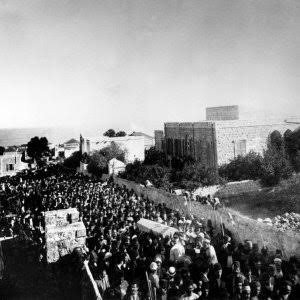
He passed away at the age of seventy-seven on 28 November 1921. His funeral drew some ten thousand mourners of every religion — Muslims, Christians, Jews and Baháʼís together — who eulogized Him as a “pillar of peace” and one who led humanity to the “Way of Truth”.
His mortal remains were laid to rest in a chamber of the Shrine of the Báb on Mount Carmel — beside the Herald whose remains He had carried there Himself.