A Declaration in Shiraz
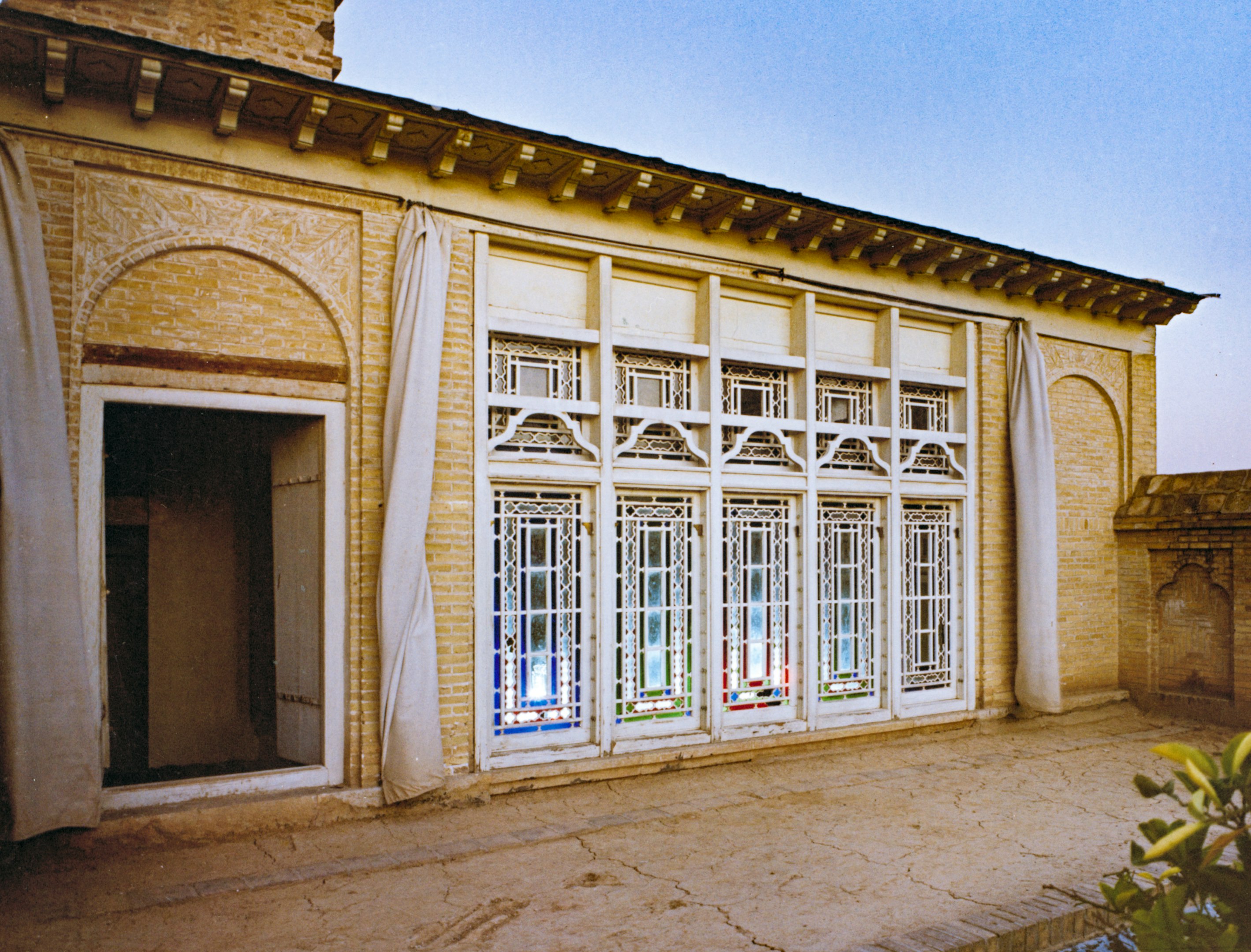
On a spring evening in 1844, a conversation took place between two young men that heralded a new era for the human race. A Persian merchant announced to a traveller in the city of Shiraz that He was the Bearer of a Divine Revelation destined to transform the spiritual life of humanity. The merchant’s name was Siyyid ʻAlí-Muhammad, and He is known to history as the Báb — “the Gate” in Arabic.
The middle of the nineteenth century was one of the most turbulent periods in world history. Great revolutions were under way, and across many lands people of diverse religions sensed that humanity stood on the threshold of a new age. Thousands prayed fervently that they would recognise the Promised One when He appeared.
A Quest Fulfilled
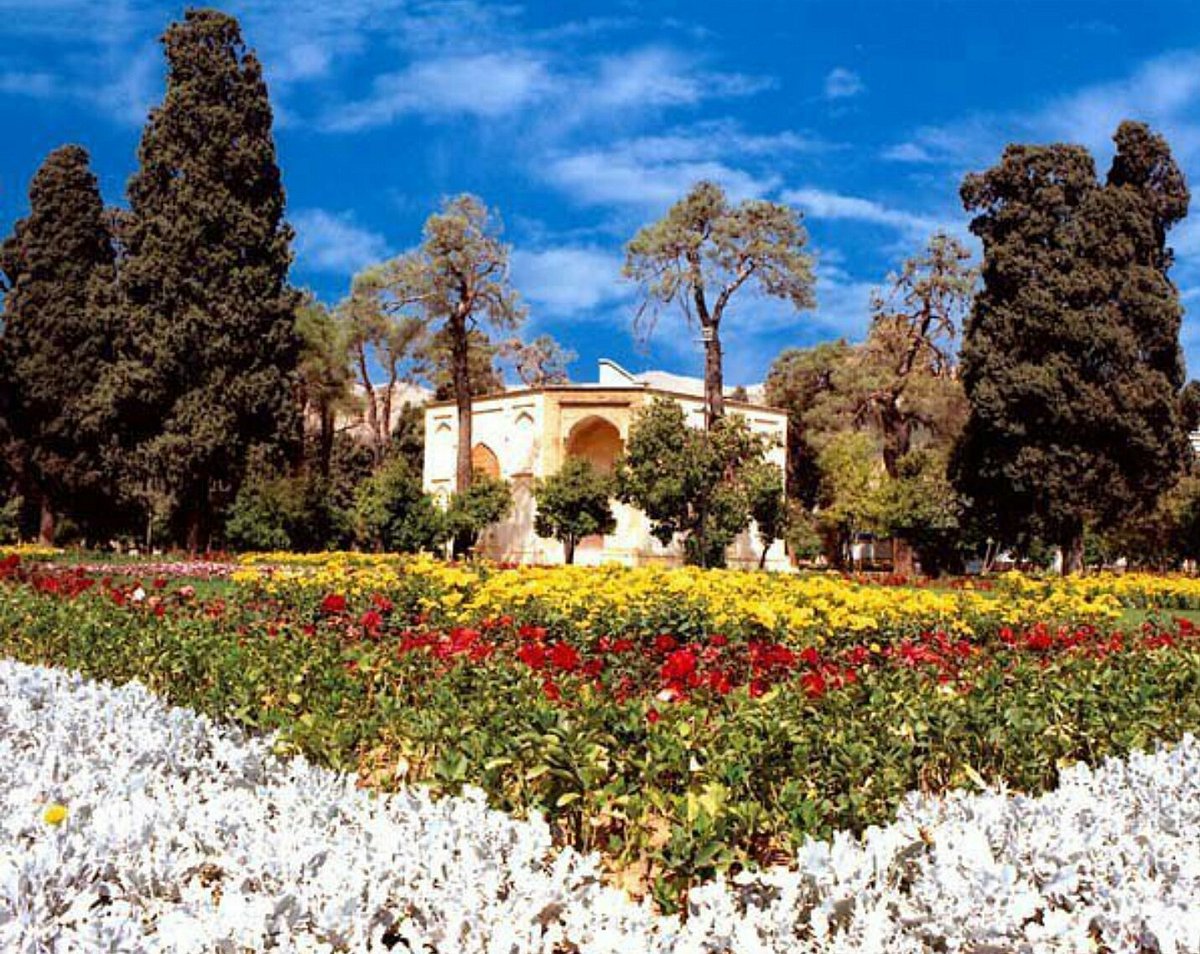
A young scholar named Mulla Husayn had journeyed across Persia searching for the Promised One of Islamic prophecy. Drawn to Shiraz, he was greeted at the city gate on the evening of 22 May 1844 by a radiant young man in a green turban, who welcomed him as a lifelong friend and invited him to His home.
The two spent the entire night in conversation. Every characteristic Mulla Husayn sought in the Promised One he found in his Host. Before dawn the Báb addressed him: “O thou who art the first to believe in Me! Verily I say, I am the Báb, the Gate of God… Eighteen souls must, in the beginning, spontaneously and of their own accord, accept Me and recognize the truth of My Revelation.”
Within weeks, seventeen more souls independently recognised His station. These first eighteen followers — the “Letters of the Living” — abandoned comfort and security to spread His message. Among them were the poetess Ṭáhirih, who championed the equality of women and men, and Quddús, the most revered of them all.
The Mission of the Báb
Born in Shiraz on 20 October 1819, the Báb was the symbolic gate between the ages of prophecy and a new age of fulfilment for humanity. His purpose was to awaken the people to the dawn of a new period in human history — one that would witness the unification of the human race and the rise of a world civilization, spiritual and material.
That great day, He declared, would be established through a divinely inspired Educator whom He called “He Whom God shall make manifest.” His own mission was to prepare humanity for this promised Manifestation of God — an age of peace and justice that was the hope of every heart and the promise of every religion. He instructed His followers to carry this message throughout the land.
His writings — above all the Persian and Arabic Bayán — abrogated the laws of the past age and laid down the principles of a new divine order. Among them: the independent search for truth, the education of all, the upliftment of women, and the recognition of the greatness of the One to come after Him.
Persecution and Imprisonment
The Báb’s message aroused hope and excitement among people of every class — but many of the clergy, fearing for their positions of privilege, denounced His teachings as heresy and resolved to destroy Him and His followers. Controversy raged in mosques, schools and bazaars throughout the land.
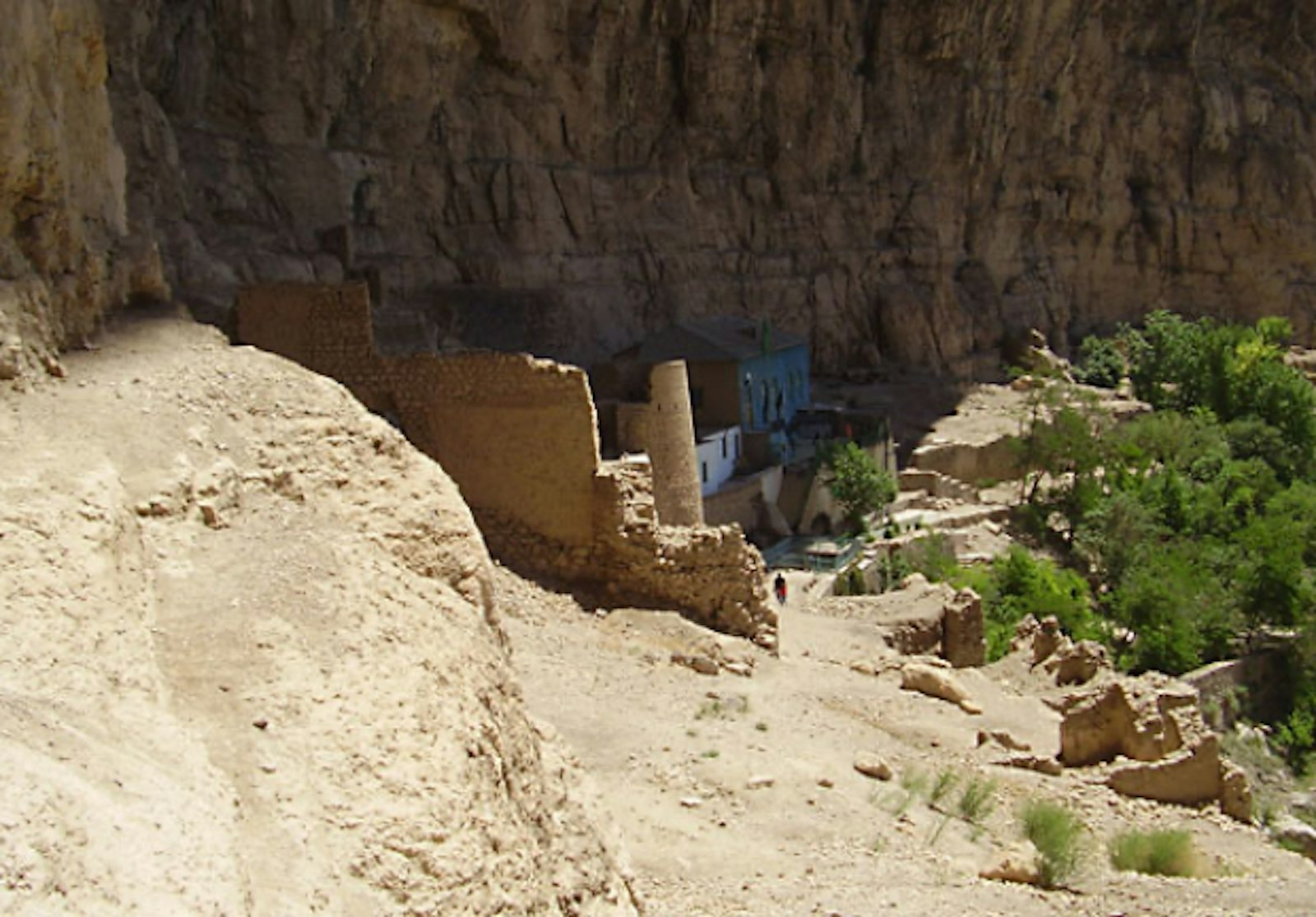
As a result, the Báb was banished from city to city, from prison to prison — first to Máh-Kú, a castle clinging to a mountain crag, then to the fortress of Chihríq, which He called the “Grievous Mountain.” Yet no scheme of His enemies could halt the spread of His influence. In every place He was sent, His grace and the magnetic attraction of His personality won the admiration of governors, soldiers and townspeople; more than once, His very jailers became His followers.
Shut off from their leader, the Bábís defended themselves against the full force of the state. Thousands of His followers — men, women and children — were put to cruel deaths. In time His popularity grew to such a degree that prominent clergymen demanded His execution.
The Martyrdom in Tabríz
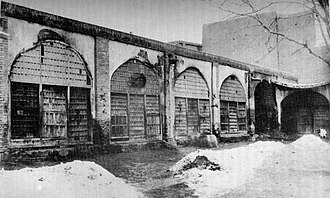
In 1850 the Grand Vizier ordered the Báb’s execution. On 9 July He was taken to the barracks square of Tabríz, where thousands crowded the rooftops to watch. Suspended by ropes against the barracks wall beside a young follower, He faced a regiment of 750 soldiers who fired in three successive volleys.
When the smoke cleared, the crowd beheld an astounding sight: the young follower stood alive and unscathed — and the Báb had vanished. The ropes alone had been severed. He was found back in His cell, calmly finishing the conversation with His secretary that had been interrupted. “Now you may proceed to fulfil your intention,” He told His captors.
A second regiment was assembled. This time the bodies of the Báb and His companion were shattered. A whirlwind of dust rose over the city and darkened the sky until nightfall. The Báb was twenty-nine years old.
The Shrine on Mount Carmel
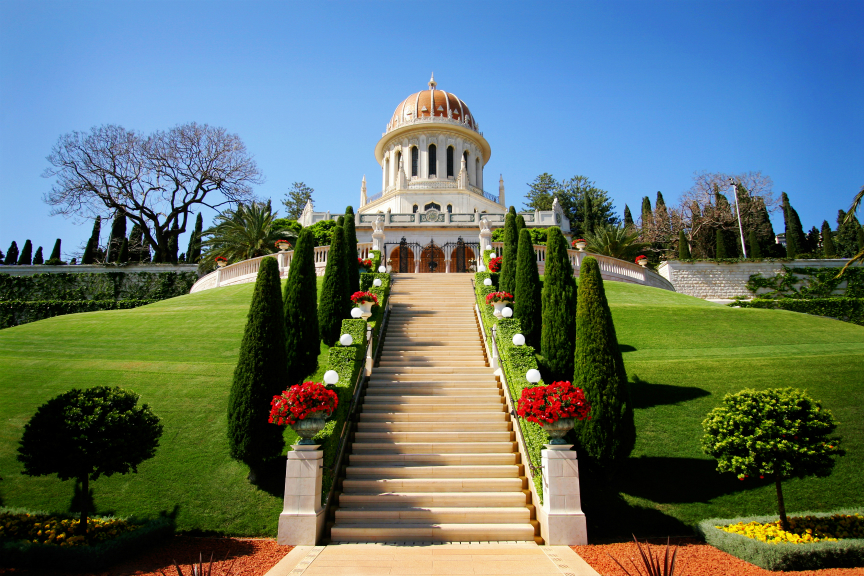
After His martyrdom, the remains of the Báb were secretly recovered by His followers and concealed for nearly sixty years, carried from hiding place to hiding place across Persia and finally to the Holy Land. In 1909 they were at last interred on Mount Carmel, in a spot designated by ʻAbduʼl-Bahá.
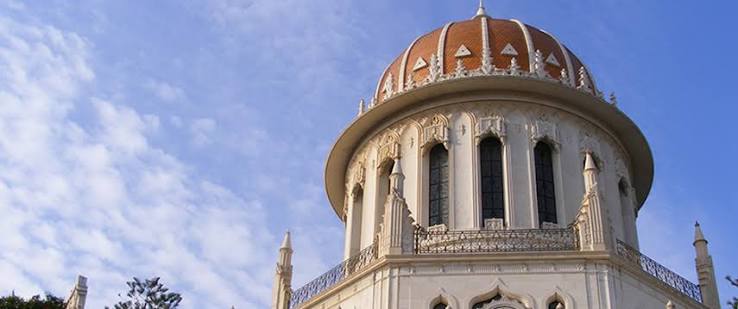
Today the Báb rests in an exquisite golden-domed Shrine, encompassed by spectacular terraced gardens that overlook the Mediterranean — a symbol of the triumph of the Cause He heralded over the fiercest of opposition. Millions throughout the world revere Him as the divinely inspired Herald of the Baháʼí Faith, and turn to His Writings to discover the resplendent Light of God.