The Baháʼí Faith in Tanzania
The Bahá'í Faith is a world religion that teaches the oneness of God, the oneness of religion, and the oneness of humanity. It was founded by Bahá'u'lláh, the Manifestation of God for this age, in 1844, who brought a spiritual message aimed at uniting humankind and building a world of justice, peace, and collective prosperity. Bahá'ís believe that out of His love for humanity, God has sent His Messengers throughout history — including Abraham, Moses, Krishna, Buddha, Jesus Christ, Muhammad, and Bahá'u'lláh — to guide mankind on its spiritual journey and the advancement of civilization. The Bahá'í Faith emphasizes such principles as the equality of women and men, universal education, the elimination of all forms of prejudice, economic justice, and leadership based on consultation and service. Its ultimate purpose is to build a society that reflects love, unity, and sustainable progress — both spiritual and material — affirming that all people are members of one human family created by one loving God.
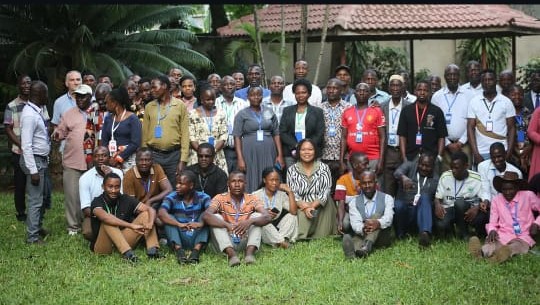
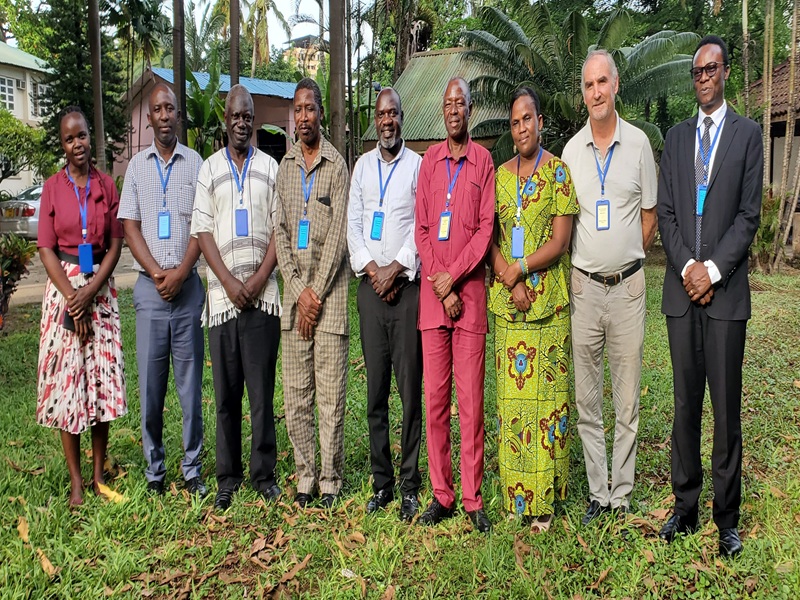
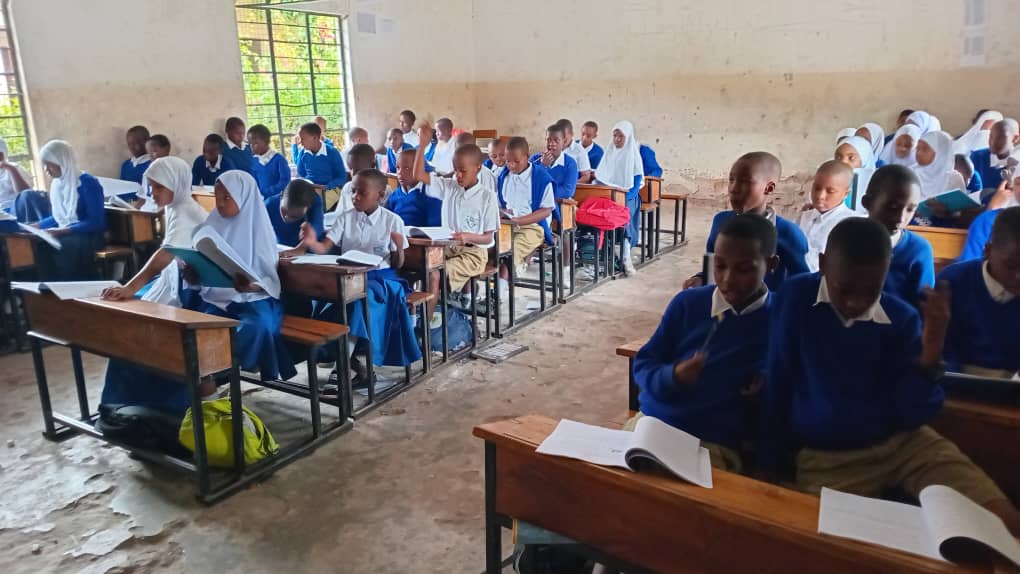
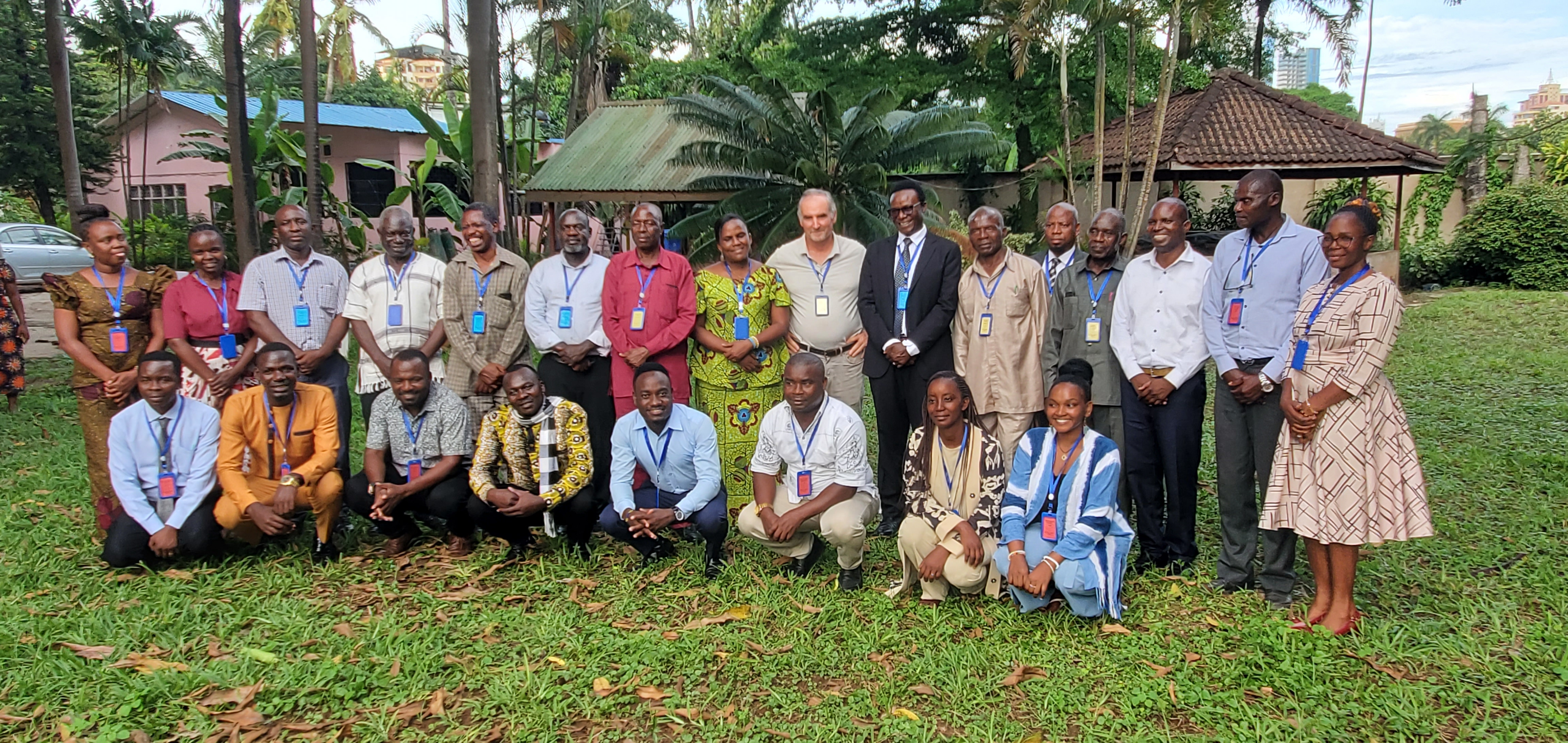
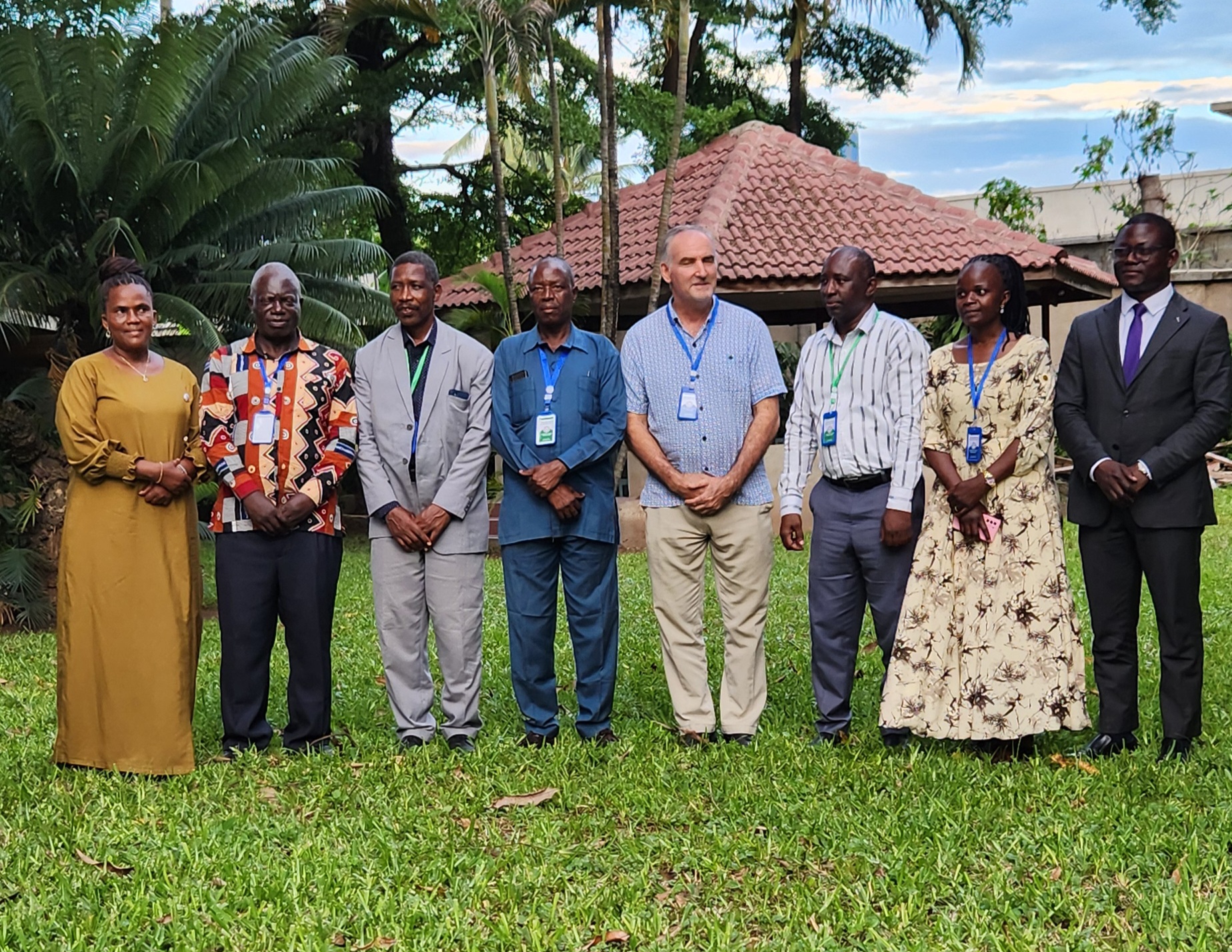
The Bahá'í Faith in Tanzania began to take root in the 1950s and has since spread steadily across many regions of the country. Today, the Bahá'ís of Tanzania are engaged in social, educational, and spiritual activities aimed at improving the well-being of all people without distinction. Initiatives such as Spiritual education for children, Junior youth spiritual empowerment program, Gatherings for collective worship, and community consultations nurture the spirit of unity and service. Guided by the principles of "Unity in Diversity" and "Service to Humanity," the Bahá'ís of Tanzania continue to collaborate with people of all faiths, cultures, and backgrounds in building a society founded on integrity, hope, and love — a society that reflects the words of Bahá'u'lláh: "The earth is but one country, and mankind its citizens."







 Community